
Everyone knows that without buyers, a product or service, no matter how innovative, will be useless. So where do you find buyers of your products and services? With today’s technology, creating consumer leads is easy. However, building direct mailing lists of targeted, active buyers is hard. This is where building business leads comes in.
Business leads are important to any kind of company or individual seeking to earn from products or services. Without consumer leads, your marketing plan is on the wrong path. Sales leads allow you to target consumers who are interested in buying your product. They increase profitability up to 70% because you no longer have to contact everyone and promote your product; instead, you go directly to those who are desperately searching for your product and services.
Creating demographic-specific sales leads allows you to target only those who are most likely to buy what you offer. When you build telemarketing lists or email lists, you can directly promote your products only to those who are interested, saving you time, effort and money in marketing. This way, your company can widen it's customer base without spending additional funds.
There are many ways to reach your target consumers through business leads. You can use mailing lists, email lists or telemarketing lists, depending on your needs. With just a few newsletters, promotional e-mail and other marketing techniques, not only can you single-handedly widen your customer base, you also increase sales dramatically in just a matter of days.
However, sales leads should be gathered with your target audience in mind. Meaning, your business leads shouldn’t be from just any list; instead, they should come from targeted mailing lists. As such, even new homeowners should be part of your email lists and telemarketing lists to ensure that all consumers who are more likely to buy your product hear about your promotion, products or services.
The importance of building demographic-specific sales leads can be used in any kind of business. Whether you’re managing an online store or you’re the marketing head of a huge company, these business leads could be your ticket to success. So if you’re having problems creating a solid customer base or increasing sales, then the best thing you can do is to find business leads through building telemarketing lists, email lists or direct mailing lists today and experience the dramatic increase in sales.

Certainly by now you most likely are very aware that good design, proper key word density, intuitive navigation, correct Meta tags, quality incoming links and informative content are all important to achieving top search engine placement. This is especially true when it comes to law firm sites. Legal search engine standings are one of the most competitive classifications for search engine standing optimization efforts.
For this article, let's assume that your legal website already excels in the areas just mentioned and your site has decent standing for your desired legal keyword phrases. But, as you are keenly aware, the Internet can generate quality clients at a far more cost effective basis compared to any other medium. So, moving your legal website to the next level should be a very wise decision.
Below I have noted some highly effective ideas to improve your search engine standings:
1. Get A Second Legal Website!
For about $53 per month for the first year, and approx. $45 per month (as of this writing) starting in the second year, you can have a second website. Your cost the first year would be approximately $599 for the legal website creation, $10 for a new domain name registration for one year and FREE website hosting.
This second site should not duplicate any of your existing sites' appearance or content. Failure to abide by this could cause your site to be dropped from major search engines. Your sites should be about your firm but each emphasizing a different practice area. Plus, both your sites should be hyperlinked together.
2. Select A Targeted URL
Your new website needs a web address. Select a URL for your new legal website that incorporates some of your keywords. Which site do you think would generate more search engine hits: www.sandiegolawyerforyou.com or www.smith-smithandklein.com?
Even if you have great name recognition in your local neighborhood, a potential client seeking a San Diego attorney will most definitely find the first site before the second. Result: Incorporating key words into your URL will absolutely increase your chances of being found in a key word search.
3. Create Your Links Using HTML, NOT Javascript.
Crawlers can't follow javascript and won't be able to read your information. They will simply ignore the page.
4. Don't Design Your Site In Flash
The site may look pretty....but web crawlers can't read flash...and if they can't interpret the information, they can't classify your site.
5. Make Sure Your Law Site Is Link Worthy
Search engines judge a sites' popularity by the number of links pointing to it. To make sure people will want to link to your site, you have to offer something worth linking to. Beyond your product or service, you need something that puts you top of mind: an information service, easy legal tips, a superior presentation, or great variety.
Your website may literally be the first contact (and impression) your potential client makes with your firm. Creating immediate confidence in your expertise is your primary goal. Just working with these few ideas will give a great boost to your search engine rankings, and visibility on the web.
Does Your Legal Site Reach It's Full Potential?
Are The Best Clients Calling You...Or Someone Else?
Call Us For a FREE "Snapshot" Site Analysis Today!
(701) 361-1510
Lead Generation: The Lifeblood Of Business Growth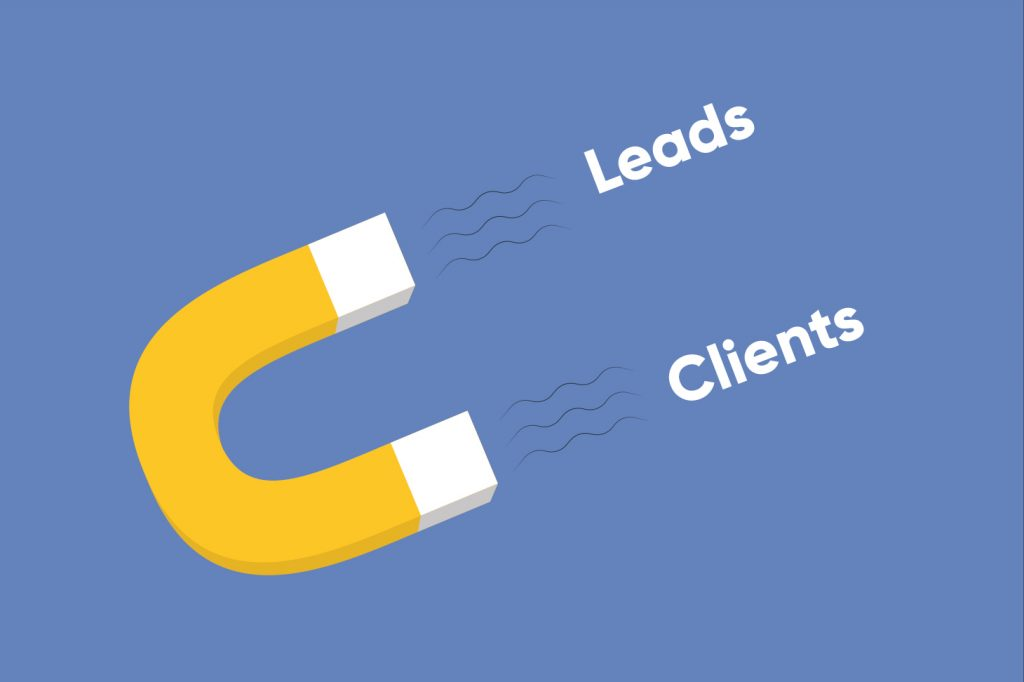
In today's competitive marketplace, lead generation stands as a crucial strategy for businesses aiming to grow and thrive. Simply put, lead generation is the process of attracting and converting strangers and prospects into someone who has indicated interest in your company's product or service. This process is foundational because without a steady stream of leads, sales pipelines dry up, and business growth stalls.
Understanding Lead Generation
Lead generation involves identifying potential customers and nurturing their interest until they are ready to make a purchase. It's not just about collecting contact information; it's about creating meaningful engagements that build trust and demonstrate value. Leads can come from various channels--websites, social media, email marketing, events, and more. The key is to use targeted strategies that resonate with your ideal customer profile.
Types of Leads
Leads generally fall into two categories: Marketing Qualified Leads (MQLs) and Sales Qualified Leads (SQLs). MQLs are prospects who have engaged with your marketing efforts but aren't yet ready to buy. SQLs, on the other hand, are leads vetted by the sales team and deemed ready for direct sales engagement. Effective lead generation strategies aim to move prospects smoothly from MQL to SQL status.
Effective Lead Generation Strategies
1. Content Marketing - Providing valuable content such as blogs, eBooks, webinars, and videos attracts potential customers by addressing their pain points and interests. High-quality content establishes authority and nurtures leads over time.
2. Search Engine Optimization (SEO) - Optimizing your website and content for search engines increases visibility, driving organic traffic and generating inbound leads.
3. Social Media Marketing - Platforms like LinkedIn, Facebook, and Instagram allow businesses to engage with their audience, run targeted ads, and promote offers that encourage lead capture.
4. Email Campaigns - Email remains one of the most effective ways to nurture leads. Personalized and segmented email campaigns can guide prospects through the sales funnel.
5. Paid Advertising - Pay-per-click (PPC) campaigns and social media ads can quickly generate leads by targeting specific demographics and interests.
Measuring Success
Tracking lead generation metrics is essential to understand what works and what doesn't. Key performance indicators include conversion rates, cost per lead, lead quality, and overall return on investment (ROI). Using tools like CRM software helps businesses manage leads efficiently and tailor follow-up strategies.
The Future of Lead Generation
With advancements in AI and data analytics, lead generation is becoming more precise and automated. Predictive analytics can identify high-potential leads, while chatbots and personalized marketing enhance customer interaction. Businesses that leverage these technologies will gain a competitive edge.
Conclusion...
Lead generation is more than just a marketing buzzword; it's a VITAL PROCESS that fuels business growth. By employing a mix of strategies tailored to their audience, companies can build a robust pipeline of qualified leads, ensuring sustained success in an ever-evolving marketplace.
Top 10 Features of a Great Website

In today's digital age, a website is often the first point of contact
between a business and its audience. A great website not only attracts
visitors but also engages them, builds trust, and drives conversions.
Whether you're building a personal blog, an e-commerce store, or a
corporate site, certain features are essential to ensure your website
stands out and performs well. Here are the top 10 features of a great
website:
1. User-Friendly Navigation
A great website must have intuitive and easy-to-use navigation. Visitors
should be able to find what they're looking for quickly without
confusion. Clear menus, logical page hierarchy, and a search function
enhance user experience and reduce bounce rates.
2. Responsive Design
With the majority of users accessing websites via mobile devices,
responsive design is crucial. A responsive website adapts seamlessly to
different screen sizes and devices, providing a consistent and pleasant
experience whether on a phone, tablet, or desktop.
3. Fast Loading Speed
Website speed directly impacts user satisfaction and search engine
rankings. Slow-loading pages frustrate visitors and increase abandonment
rates. Optimizing images, leveraging browser caching, and using
efficient coding practices help ensure your site loads quickly.
4. High-Quality Content
Content is king!! Engaging, relevant, and well-written content keeps
visitors interested and encourages them to take action. This includes
clear headlines, informative text, compelling visuals, and regular
updates to keep the site fresh.
5. Strong Call-to-Actions (CTAs)
Effective CTAs guide visitors toward desired actions, such as signing up
for a newsletter, making a purchase, or contacting support. CTAs should
be visually distinct, concise, and placed strategically throughout the site.
6. SEO Optimization
A great website is easy to find. Implementing SEO best practices--like
keyword optimization, meta tags, alt text for images, and clean
URLs--helps improve your site's visibility on search engines, driving
organic traffic.
7. Secure and Trustworthy
Security is paramount...especially for sites handling sensitive
information. Using HTTPS, displaying trust badges, and having clear
privacy policies build visitor confidence and protect your site from
cyber threats.
8. Accessible Design
An inclusive website considers users with disabilities. Features like
alt text for images, keyboard navigability, proper color contrast, and
screen reader compatibility ensure everyone can access your content.
9. Consistent Branding
Your website should reflect your brand identity through consistent use
of colors, fonts, logos, and messaging. This builds recognition and
reinforces your brand's professionalism and credibility.
10. Analytics and Tracking
To continually improve, a great website integrates analytics tools like
Google Analytics. Tracking visitor behavior, traffic sources, and
conversion rates provides valuable insights to optimize your site's
performance over time.
Building a great website involves combining these features thoughtfully
to create an engaging, efficient, and trustworthy online presence.
Whether you're starting from scratch or revamping an existing site,
focusing on these elements will help you connect better with your
audience and achieve your goals.
